
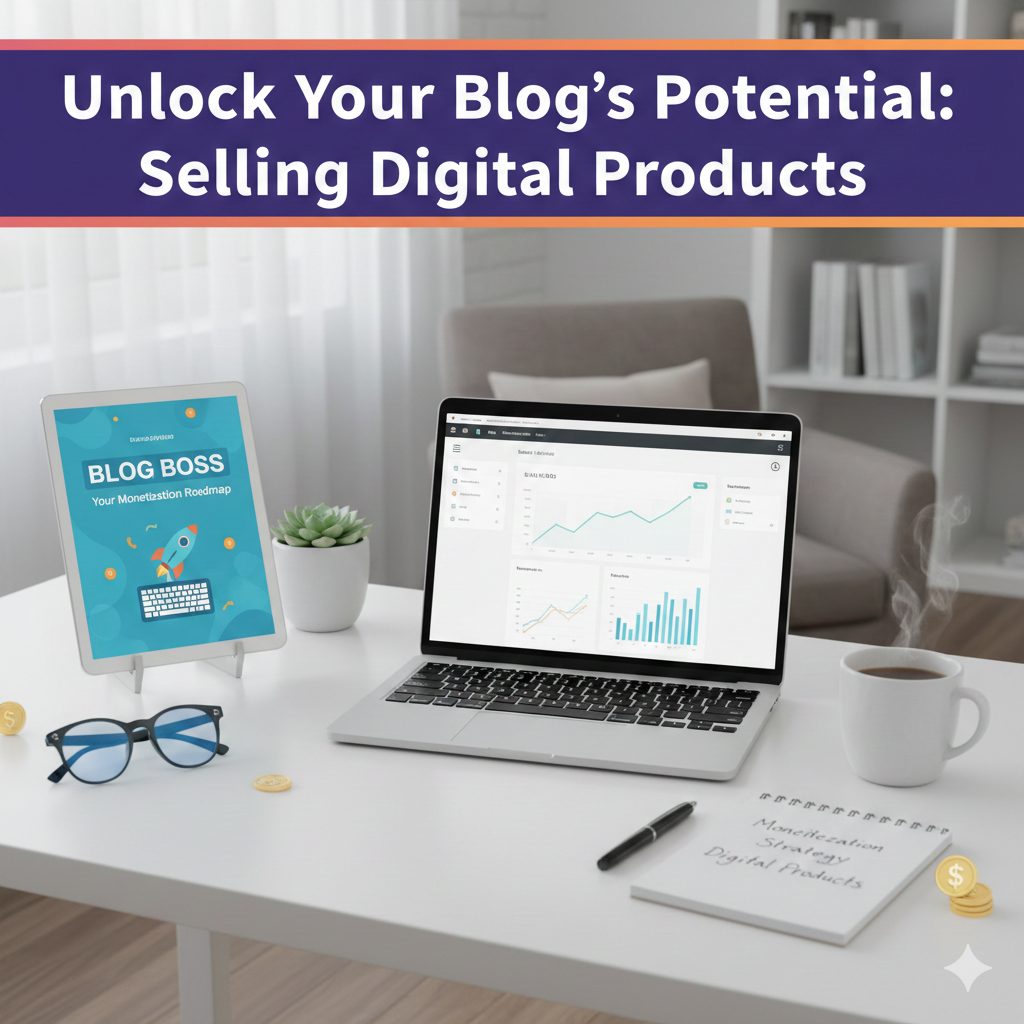
Blogging is an incredible journey of creativity and connection.
However, passion alone doesn’t pay the bills. 💸
If you are looking to turn your blog into a sustainable business, relying solely on ads or affiliate marketing can feel like a slow grind.
The real game-changer in the blogging world is shifting from promoting other people’s stuff to owning your own inventory.
Enter the world of digital products. 🚀
These are intangible assets you create once and sell repeatedly to your audience.
Selling digital products is the fastest way to regain control over your income and build true authority in your niche.
In this guide, we will explore the best digital products for bloggers to sell and how to get started today. 🧐
Why Digital Products Reign Supreme for Bloggers
Why should you bother creating your own products when affiliate marketing is so easy?
The answer lies in scalability and margins.
When you sell a physical product, you have to deal with inventory, shipping, and complicated logistics. 📦
Digital products eliminate these headaches entirely.
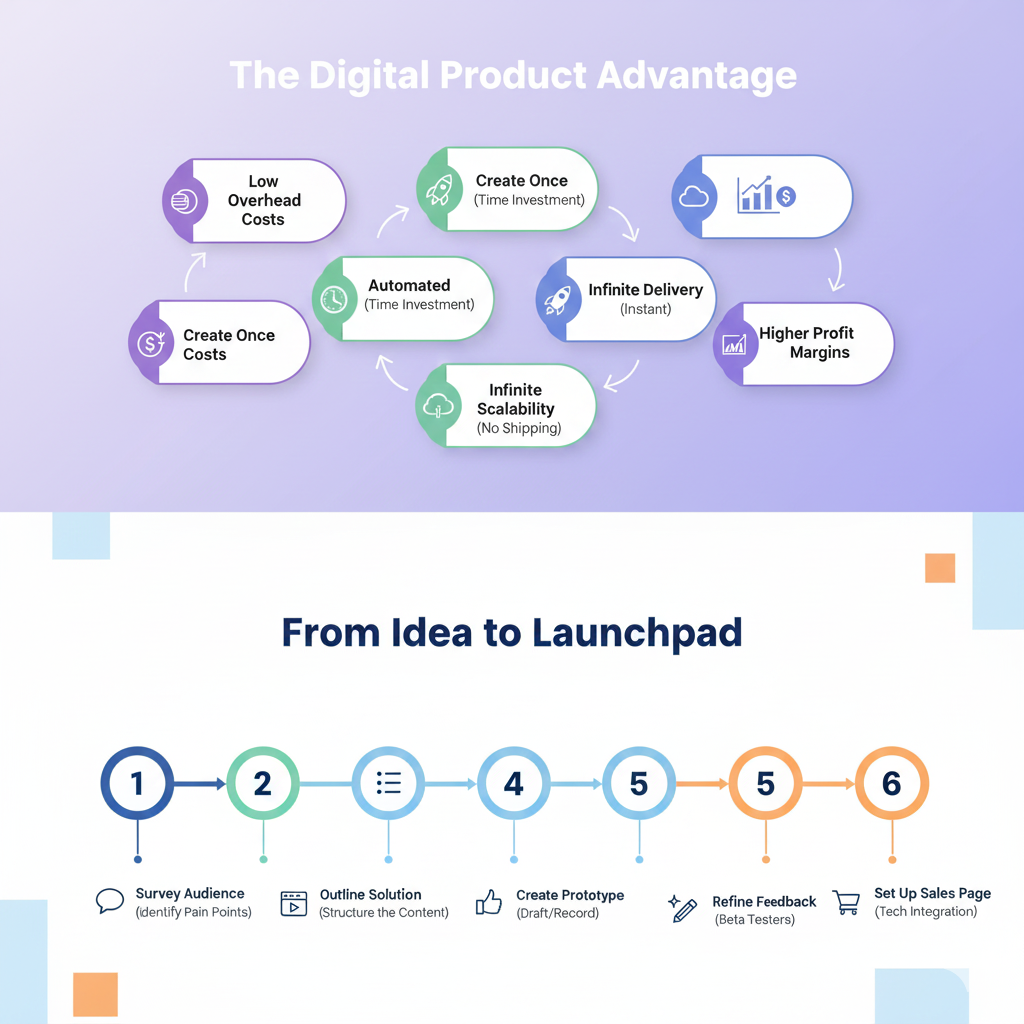
Your inventory is infinite, your delivery is instant, and your profit margins are often nearly 100% after the initial creation effort.
Furthermore, creating a product establishes you as an expert. 🎓
It signals to your audience that you have valuable knowledge worth paying for.
According to Forbes, the digital product market is rapidly expanding as consumers increasingly value convenience and instant access.
It is time to stop leaving money on the table and start capitalizing on your expertise. 💰
A relevant thought on value:
“Price is what you pay. Value is what you get.” – Warren Buffett
Top Digital Product Ideas for Bloggers
The best digital product for you depends on your niche and your audience’s biggest struggles. 🤔
You want to create something that offers a specific solution to a specific problem.
Here are some of the most profitable categories to consider.
1. E-books and Comprehensive Guides 📚
This is the classic entry point for many bloggers.
An e-book allows you to package your best blog content, expand upon it, and organize it into a logical flow.
It doesn’t have to be a 300-page novel.
Often, a 40-page actionable guide that solves a burning pain point is more valuable than a bloated theoretical book.
If your blog is about gardening, create a “Complete Guide to Urban Vegetable Farming.” 🍅
If you write about finance, author a “30-Day Debt Elimination Blueprint.”
2. Templates and Swipe Files 📝
People love shortcuts.
Templates are incredible because they save your audience time and effort.
They are among the easiest digital products for bloggers to sell because they are highly practical.
Think about what difficult tasks you do that you could streamline for others.
This could include social media caption templates, email marketing swipe files, budgeting spreadsheets, or Notion webpage templates. 💻
If you can help your readers achieve a result faster with a “fill-in-the-blanks” solution, they will gladly pay for it.
3. Printables and Planners 🗓️
If you are in niches like parenting, organization, health, or education, printables are gold mines.
These are simple documents that users download and print at home.
Examples include meal planners, homeschooling worksheets, fitness trackers, or daily organizers. 🏋️♀️
They are relatively easy to design using tools like Canva and can be sold at a lower price point to capture a high volume of buyers.
4. Online Courses and Workshops 🎓
Courses are the heavy hitters of digital monetization.
They allow you to dive deep into a topic, utilizing video, audio, and worksheets to teach a skill. 📹
Because the perceived value of video training is higher, you can charge significantly more for a course than an e-book.
Platforms like Thinkific make hosting these courses accessible even for non-techies.
Deciding between a course and an e-book often comes down to the depth of the material and your desired price point.
| Feature Comparison | E-Book / Guide 📘 | Online Course 🎬 |
|---|---|---|
| Creation Effort | Moderate (Writing & Formatting) | High (Video recording, editing, tech) |
| Typical Price Point | $7 – $47 | $97 – $997+ |
| Customer Commitment | Low (Read at leisure) | High (Requires active study time) |
| Perceived Value | Medium | Very High |
How to Create Your First Digital Product
The biggest mistake bloggers make is creating a product in a vacuum without validating the idea first. 🤫
Before you spend weeks recording videos or writing chapters, ensure your audience actually wants it.
Start by surveying your email list or asking questions in your Facebook group.
Look for recurring questions in your blog comments. 🧐
Once you have a validated concept, keep the creation process simple.
You do not need expensive software to start.
Imperfection is better than delayed perfection; launch a “minimum viable product” and improve it later based on feedback.
For e-books, Google Docs and a PDF converter work perfectly fine.
For graphics and printables, Canva is user-friendly and powerful. 🎨
When it’s time to sell, you need a delivery mechanism.
You need a platform that handles the payment and automatically sends the digital file to the customer.
Services like Gumroad or SendOwl are excellent for beginners because they handle the heavy lifting of digital delivery.
For more robust e-commerce needs, Shopify offers extensive tools for selling digital goods alongside physical ones.
A little motivation for the creation phase:
“The secret of getting ahead is getting started.” – Mark Twain
Marketing Your Digital Goods Effectively
Whatever you do, do not just publish a sales page and hope for the best. 🙅♀️
“Build it and they will come” does not apply here.
You need an active marketing strategy.
Your most valuable asset for selling digital products is your email list.
Email allows you to nurture a relationship with your readers and pitch your product directly to their inbox without fighting social media algorithms. 📧
Create a dedicated email sequence that agitates the problem your product solves before presenting your solution.
Additionally, leverage content marketing on your blog.
Write blog posts related to the topic of your product and include strong calls-to-action (CTAs) leading to your sales page. 📣
According to content marketing experts at Copyblogger, teaching your audience through free content is the best way to pave the way for a paid offer.
Don’t forget about Pinterest, especially if you are selling visual items like printables or templates.
Create eye-catching pins that lead directly to your product landing page to drive passive traffic.
Final Thoughts on Monetization
Selling digital products is a marathon, not a sprint. 🏃♂️
Your first product might not make you a millionaire, and that is okay.
The goal is to start the process, learn from your customers, and iterate.
By focusing on providing genuine value and solving real problems, you can build a diversified income stream that supports your blogging career for years to come.
To dive deeper into digital marketing strategies, resources like Neil Patel’s blog offer a wealth of information on converting traffic into customers.
Stop waiting for permission and start creating your first digital asset today. 💪