
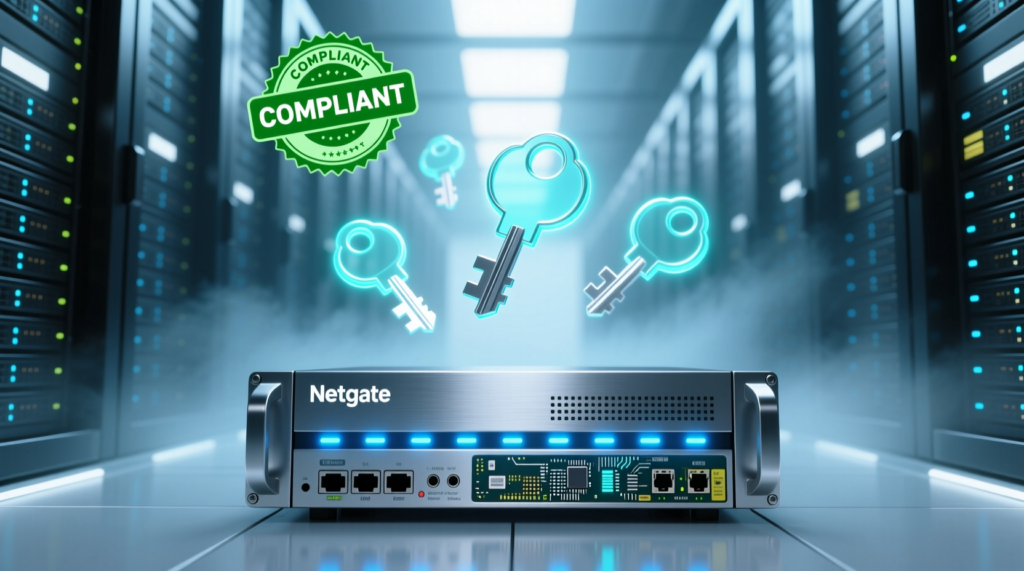



When it comes to pfSense endpoint encryption workaround for NIST 800-171 compliance, getting the right details matters. Recommended Products:
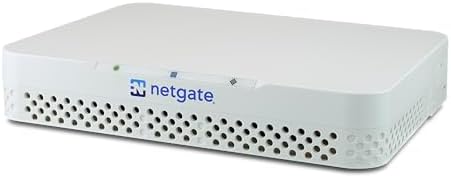
Netgate 1100 pfSense Plus Security Gateway
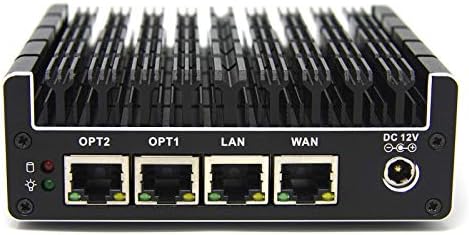
Fortinet FortiGate 60F Firewall
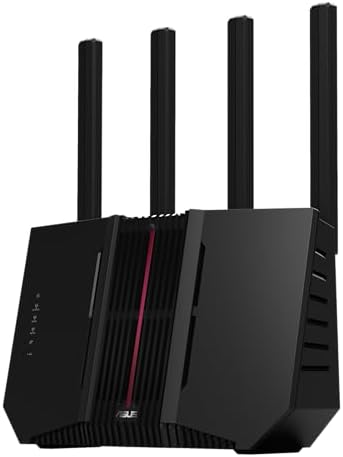
ASUS RT-AX86U Pro WiFi 6 Router
pfSense Endpoint Encryption Workaround for NIST 800-171 Compliance: The CMMC Boundary Architecture Playbook
If you are routing Controlled Unclassified Information through a Netgate 1100 firewall and preparing for a CMMC Level 2 audit, you already have a problem. NIST SP 800-171 control 3.13.11 and its CMMC 2.0 mirror SC.L2-3.13.11 require FIPS 140-2 or FIPS 140-3 validated cryptography whenever a boundary device performs cryptographic operations on CUI. pfSense does not hold an active CMVP certificate. The moment the firewall terminates a VPN tunnel, decrypts TLS, or inspects encrypted CUI traffic, it lands inside the audit scope.
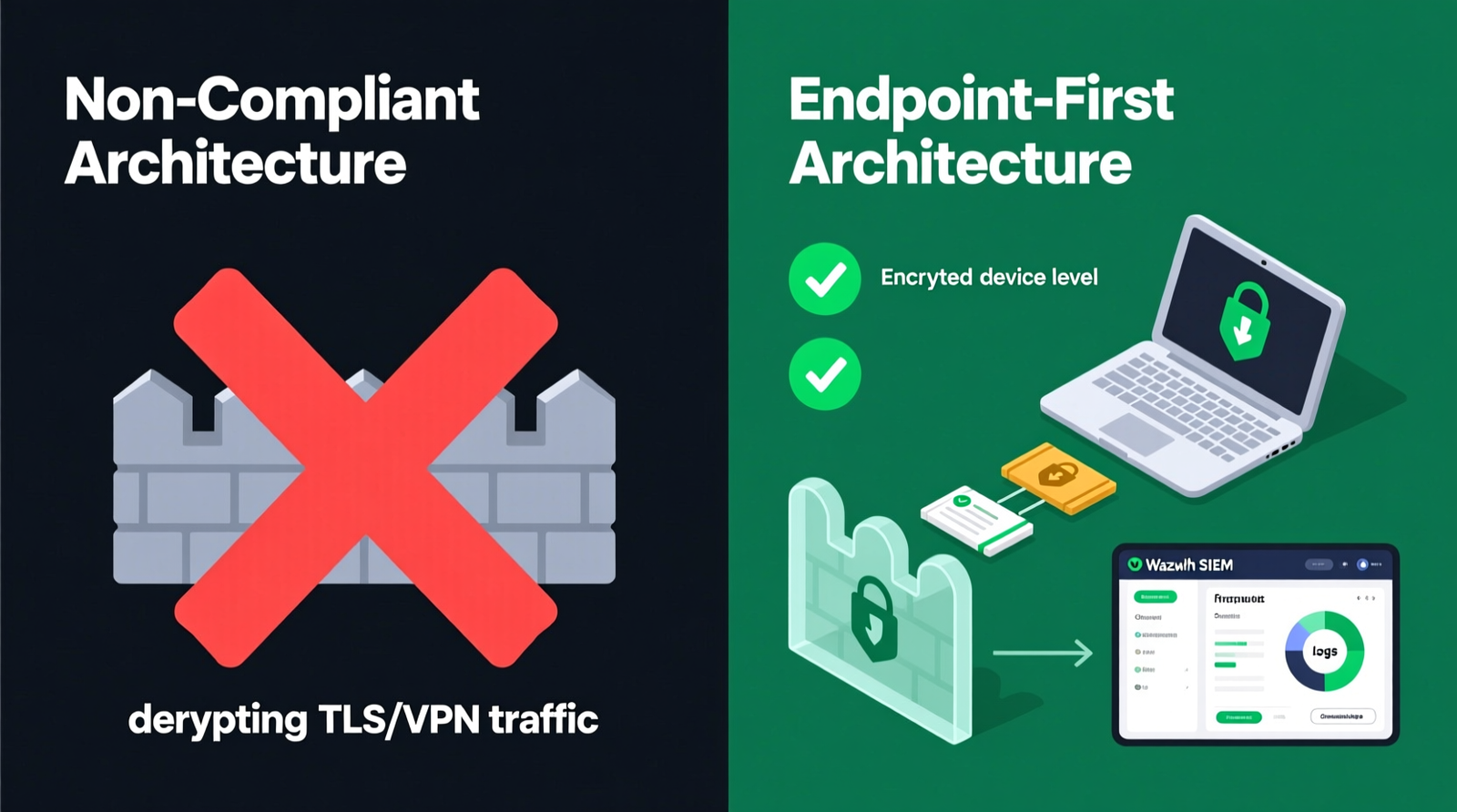
This guide shows you how to keep pfSense in the architecture without the compliance finding. The workaround is endpoint-first encryption: encrypt CUI before it reaches the firewall, restrict pfSense to Layer 3/4 routing and logging, and back every claim with immutable Wazuh evidence. You will learn the exact validated hardware stack, the step-by-step cryptographic bypass path, and the supporting lab gear that makes the deployment audit-defensible.
The Failure Point: Why pfSense Hits a FIPS Wall at the CMMC Boundary
NIST 800-171 Control 3.13.11 and the CMVP Scope Trap
SC.L2-3.13.11 mandates FIPS 140-2 or FIPS 140-3 validated cryptography when a boundary device performs crypto operations on CUI. That sounds straightforward until you realize how easily the scope trap springs shut. Auditors treat the firewall as in-scope the moment it terminates VPN, decrypts TLS, or inspects encrypted CUI traffic. The device does not need to store the data; it only needs to touch the cryptography.
This matters more now than ever. CMVP moves remaining active FIPS 140-2 certificates to Historical status on September 21, 2026. New procurements must prioritize FIPS 140-3 validated modules. If you are bidding a contract after that date with a fresh boundary deployment, FIPS 140-2 alone will not carry the same weight.
The pfSense Plus / CE Non-Validation Reality
The Netgate 1100 runs pfSense Plus on a dual-core ARM64 Cortex-A53 CPU with three one-gigabit switched RJ45 ports. It is TAA and NDAA compliant, which helps procurement, but no active CMVP FIPS 140-2 or FIPS 140-3 validation exists for the appliance itself. Forum consensus across r/pfsense, Spiceworks, and CMMC practitioner boards is clear: the open-source platform cannot carry a CMVP certificate regardless of the hardware underneath.
That single fact is why the endpoint encryption workaround exists. If the firewall cannot be validated, move the cryptographic boundary off the firewall.
| Component | Specification |
|---|---|
| Appliance | Netgate 1100 |
| CPU | Dual-core ARM64 Cortex-A53 |
| Network Ports | Three one-gigabit switched RJ45 |
| Procurement Status | TAA Compliant, NDAA Compliant |
| CMVP Validation | None (No Active FIPS 140-2/140-3) |
The VPN Concentrator Non-Conformity Pattern
The most common audit finding that drives contractors toward this workaround is a site-to-site VPN terminated on pfSense. Cryptographic processing happens on a non-validated module, and the auditor writes it up. The same pattern appears with SSL/TLS inspection policies and reverse-proxy configurations that decrypt CUI. Each one places cryptographic trust in a module that lacks CMVP backing.
Residual Risk: When the Workaround Collapses
CUI must never be processed in plaintext by pfSense. Any TLS termination, VPN concentration, or decryption for inspection on the firewall voids the bypass. The architecture only holds if the firewall sees encrypted packets and routes them without ever holding the clear text.
Check out TECH Collection Amazon Products
The Core Gear Architecture: Validated Stack for Endpoint-First CUI Protection
Netgate 1100 as the Non-Cryptographic Boundary Router
The Netgate 1100 stays in the stack, but its role changes. It becomes an open-source boundary router only: routing, access control, and logging. Its three one-gigabit switched RJ45 ports and dual-core ARM64 Cortex-A53 CPU are plenty for that job. Its TAA and NDAA compliance keeps procurement moving. Its critical limitation is that it has no active CMVP FIPS validation, so it must not terminate crypto.
FortiGate 40F / 60F as the Validated Perimeter Fallback
When crypto termination at the perimeter is unavoidable, you need a validated module. The FortiGate 40F offers five gigabit Ethernet RJ45 ports, five gigabits per second firewall throughput, and eight hundred megabits per second NGFW throughput. It is FIPS 140-2 Level 2 validated when paired with the FIPS-SEAL-RED tamper-evident seal kit. That makes it a strong fit for small branch offices.
The FortiGate 60F scales the same validation up to ten gigabit Ethernet RJ45 ports, ten gigabits per second firewall throughput, and one gigabit per second NGFW throughput. It is the standard mid-sized contractor gateway. Both models give you a documented, validated fallback when endpoint encryption alone is not enough.
| Model | Ports | Firewall Throughput | NGFW Throughput | Validation |
|---|---|---|---|---|
| FortiGate 40F | 5x Gigabit RJ45 | 5 Gbps | 800 Mbps | FIPS 140-2 Level 2 w/ Seal |
| FortiGate 60F | 10x Gigabit RJ45 | 10 Gbps | 1 Gbps | FIPS 140-2 Level 2 w/ Seal |
Wazuh SIEM for Immutable Audit Evidence
Wazuh is the open-source SIEM that closes the log gap auditors flag when endpoint encryption claims need proof. It provides continuous monitoring, file integrity monitoring, centralized log aggregation, and correlation of network logs with endpoint events. Without it, you are asking the auditor to trust that encryption is active. With it, you hand over evidence.
| Feature | Function |
|---|---|
| Continuous Monitoring | Real-time visibility into endpoint and network states |
| File Integrity Monitoring | Detects unauthorized changes to critical system files |
| Log Aggregation | Centralizes syslog data from pfSense and endpoints |
| Correlation Engine | Links network routing logs with endpoint encryption events |
2026 Freshness Upgrades
The CMVP transition on September 21, 2026 makes FIPS 140-2 certificates Historical. New bids should prioritize FIPS 140-3. Network baselines have shifted to two-and-a-half-gigabit and ten-gigabit interfaces for internal segmentation and Wi-Fi 7 for wireless access layers. Memory baselines have moved to DDR5, which endpoint encryption agents, SIEM forwarders, TLS 1.3 handshakes, and EDR telemetry all need to avoid contention.
The Technical Setup Blueprint: Deploying the Cryptographic Bypass Path
Endpoint Encryption Before the pfSense Hop
Deploy FIPS-validated end-to-end TLS 1.2/1.3 or application-level encryption on the endpoints. Route encrypted CUI through a compliant Secure Web Gateway before it reaches pfSense. The key requirement is that CUI is encrypted before it enters the network path, so the firewall operates at Layer 3/4 only.
Configuring pfSense for Routing, Not Crypto
On the Netgate 1100, disable TLS termination, VPN concentrator roles, and SSL/TLS inspection. Restrict pfSense to routing, access control, and syslog export. Then verify that no plaintext CUI processing occurs at the boundary. A packet capture should show only encrypted payloads crossing the firewall.
Wazuh Log Forwarding and File Integrity Monitoring
Install the Wazuh agent on endpoints. Forward pfSense logs via syslog to Wazuh. Correlate network logs with endpoint encryption events for audit-ready reporting. This chain proves the firewall only routes and logs, while the endpoints handle the crypto.
Supporting Infrastructure and Diagnostic Gear for the Compliance Lab
Micro-electronics and PCB diagnostics keep the bench ready when hardware fails. A forty AWG jumper wire bridges severed motherboard traces. The FNIRSI LCR-ST1 offers selectable test frequencies of one hundred hertz, one kilohertz, and ten kilohertz, with test voltages of zero-point-three and zero-point-six volts, a one.14-inch color display, a forty-one-gram body, and a 250 milliamp-hour battery.
Those low-voltage modes prevent false parallel-circuit readings on tiny SMD components. The Andonstar AD246S-M adds a seven-inch LCD, 2160P video, dual-screen HDMI output, a thirty-centimeter high bracket, and interchangeable lenses for close-up rework.
| Tool | Key Specifications | Use Case |
|---|---|---|
| FNIRSI LCR-ST1 | 100Hz/1kHz/10kHz Freq, 0.3V/0.6V Voltage, 1.14″ Display | Low-voltage SMD component testing |
| Andonstar AD246S-M | 7″ LCD, 2160P Video, HDMI Out, 30cm Bracket | Close-up PCB rework and inspection |
DevOps homelab compute clusters support the compliance lab itself. The GEEKOM A9 Max runs an AMD Ryzen AI 9 HX 370 with twelve cores and twenty-four threads, up to 128 GB of DDR5 SODIMM, dual two-and-a-half-gigabit RJ45 LAN ports, two M.2 PCIe Gen4 x4 NVMe slots, and up to eighty TOPS combined AI performance.
The GEEKOM A8 uses an AMD Ryzen 9 8945HS with eight cores and sixteen threads, up to sixty-four gigabytes of DDR5, a single two-and-a-half-gigabit LAN port, and one M.2 2280 NVMe PCIe Gen4 x4 slot up to four terabytes. The GEEKOM A6 uses an AMD Ryzen 7 6800H with eight cores and sixteen threads, up to sixty-four gigabytes of DDR5, and a single two-and-a-half-gigabit LAN port.
| Allocation | vCPU | Memory | Role |
|---|---|---|---|
| Proxmox Control Plane | 4 | 16 GB DDR5 | Hypervisor Management |
| Proxmox Worker | 8 | 32 GB DDR5 | VM/Container Workloads |
| TrueNAS ZFS Node | N/A | 32 GB DDR5 | ARC Cache for Storage |
Satellite broadband optimization matters for remote sites. The Starlink one-hundred-fifty-foot replacement cable for Gen 2/3 dishes addresses thermal reboot and voltage sag. The ASUS RT-AX86U Pro, with its tri-core two-gigahertz CPU, two-and-a-half-gigabit WAN/LAN, Wi-Fi 6, and AiMesh, extends local Wi-Fi range.
Check out TECH Collection Amazon Products
The Starlink heavy-duty roof mount pipe adapter, with its dual-screw locking collar and powder-coated steel, keeps the dish stable in wind and ice.
| Accessory | Specification | Benefit |
|---|---|---|
| Starlink 150ft Cable | Gen 2/3 Compatible | Reduces thermal reboot and voltage sag |
| ASUS RT-AX86U Pro | Tri-core 2GHz, 2.5Gb WAN/LAN, Wi-Fi 6 | Extends Wi-Fi range via AiMesh |
| Starlink Roof Mount | Dual-screw collar, Powder-coated steel | Stability in wind and ice conditions |
Field Verdict & Operational ROI: Why This Stack Beats the FortiGate-Only Migration
Avoiding the Full FortiGate Cost Shock
Small defense subcontractors regularly report sticker shock when quoted a full FortiGate perimeter migration. The endpoint encryption workaround preserves the Netgate 1100 investment while satisfying boundary scope rules. You add validation only where crypto actually terminates.
TAA/NDAA Procurement and the Netgate Advantage
Netgate hardware is TAA and NDAA compliant, which reduces procurement delays common with other vendors. That keeps pfSense in the architecture without forcing a rip-and-replace.
Building the Auditor-Ready Evidence Chain
Wazuh provides immutable proof that endpoint encryption is active. pfSense logs prove the firewall only routes and logs, never processes CUI crypto. Together they form the evidence chain that turns a workaround into an audit-defensible architecture.
Planning for the September 21, 2026 CMVP Historical Transition
Existing FIPS 140-2 gear purchased in 2025 remains functional in legacy deployments but is discouraged for new bids. New procurements should target FIPS 140-3 validated modules to avoid contract eligibility issues after the Historical transition.
Community Reference & Authority Resources:
Conclusion
The pfSense endpoint encryption workaround is not a shortcut. It is a scoped, evidence-backed architecture that removes the firewall from the cryptographic boundary. By encrypting CUI at the endpoint, restricting the Netgate 1100 to routing and logging, and proving the control with Wazuh, you keep pfSense in the stack and pass the CMMC audit without a full FortiGate migration. Plan for FIPS 140-3, upgrade to DDR5 and multi-gigabit interfaces, and document every claim. That is the boundary architecture that survives the auditor’s review.
🔍 Explore More: See all tech guides and tutorials for pfSense endpoint encryption workaround for NIST 800-171 compliance.
Check out TECH Collection Amazon Products