

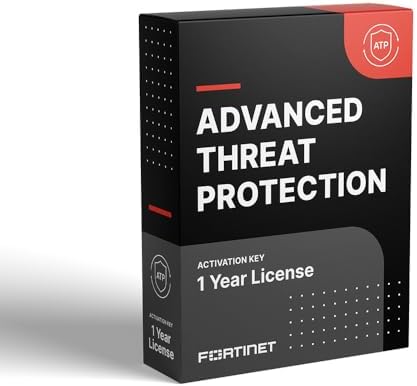



When it comes to wazuh siem file integrity monitoring setup for nist 800-171 sc.l1-3.13.1, getting the right details matters. Fortinet FortiGate 60F
GEEKOM A9 Max
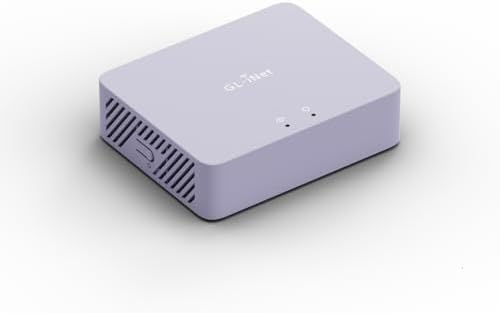
Netgate 1100 (pfSense Plus)
If you are a CMMC contractor, sysadmin, or homelab operator trying to pass a NIST SP 800-171 assessment with Wazuh file integrity monitoring, the most common failure is not a missing checkbox. It is a stack that looks compliant on paper but collapses under real audit scrutiny. SC.L1-3.13.1 requires you to monitor, audit, and control communications. Most deployments fail because the perimeter cannot prove FIPS-validated cryptography, the SIEM host chokes on syscheck load, or the FIM logs show a hash change without ever identifying who made it.
This guide gives you a build blueprint that actually holds up. You will learn why NIST 800-171 FIM deployments fail, which hardware belongs at the perimeter and in the SIEM host, how to configure Wazuh syscheck with whodata attribution, and how to size Proxmox VE and OpenZFS so your indexer does not fall over the first time an assessor asks for a year’s worth of logs.
The Technical Reality — Why Most NIST 800-171 FIM Deployments Fail Audit
Regulatory Control Context: SC.L1-3.13.1 and the DFARS 252.204-7012 Binding Obligation
The target control is SC.L1-3.13.1 — Monitor, audit, and control communications under NIST SP 800-171 Rev. 3 and CMMC 2.0 Level 1. DFARS 252.204-7012 makes NIST SP 800-171 mandatory for any non-federal system that processes Controlled Unclassified Information. CMMC 2.0 Level 1 only has 17 controls, so each one carries weight. SC.L1-3.13.1 is one of the foundational system-and-communications-protection controls. If you cannot show continuous monitoring and attributable file-change evidence, you fail the control.
Cryptographic Boundary Non-Compliance at the Perimeter
Open-source or community firewall platforms, including pfSense on Netgate hardware, lack active CMVP FIPS 140-2/140-3 validation. If that boundary device encrypts, decrypts, or performs any cryptographic operation on CUI traffic, you also fail SC.L2-3.13.11 (Employ FIPS-validated cryptography). The firewall is not just a router in this context. It is part of the cryptographic boundary, and an assessor will ask for the CMVP certificate number.
Audit Evidence Gap for File-Level Changes
CUI endpoints drift. Configuration files change. Malware tampers with binaries. Without file integrity monitoring, you cannot prove what changed, when, and by whom. A spreadsheet of change tickets does not satisfy an assessor. You need timestamped, hashed, user-attributed integrity records.
SIEM Infrastructure Undersizing and OpenSearch Shard Corruption
Deploying Wazuh on a host with less than 16 GB RAM, spinning HDD storage, or a single network interface causes syscheck queue backpressure and OpenSearch indexer shard corruption. Once alerts drop, continuous monitoring is no longer continuous, resulting in an automatic audit finding.
Log Source Fragmentation and Correlation Failure
Perimeter firewalls, endpoints, and application logs often live in separate silos. Without correlation between a firewall event and a file-change event, you cannot reconstruct an incident. An assessor will ask how you know a change was unauthorized, and the answer cannot be a guess.
Real-Time Monitoring Gaps Without Whodata/Attribution
FIM without whodata or auditd attribution only reports hash deltas. It tells you a file changed, but not which user or process changed it. That is insufficient for CMMC and NIST review. You need attribution, period.
The Core Gear Architecture — Validated Hardware Stack
Perimeter / Cryptographic Boundary
Fortinet FortiGate 60F — Primary Gateway for Mid-Sized Contractors
| Specification | Details |
|---|---|
| Ports | 10 × GE RJ45 |
| Firewall throughput | 10 Gbps |
| NGFW throughput | 1 Gbps |
| FIPS validation | FIPS 140-2 Level 2 with FIPS-SEAL-RED tamper-evident kit |
| TAA compliance | Available SKUs |
| Procurement note | CMVP moves FIPS 140-2 to Historical on 21 Sept 2026; verify 140-3 eligibility before buying |
This box gives you a boundary device that an assessor can trace back to a CMVP certificate. The 10 Gbps firewall throughput and 1 Gbps NGFW throughput handle a mid-sized contractor network without choking, and the 10 RJ45 ports let you segment CUI, management, and guest traffic.
Fortinet FortiGate 40F — Branch-Office Alternative
| Specification | Details |
|---|---|
| Ports | 5 × GE RJ45 |
| Firewall throughput | 5 Gbps |
| NGFW throughput | 800 Mbps |
| FIPS validation | FIPS 140-2 Level 2 with FIPS-SEAL-RED tamper-evident kit |
It delivers the same validated boundary in a smaller footprint for satellite offices or lower throughput requirements.
SIEM / Log-Host Compute Node
GEEKOM A9 Max — Recommended Wazuh/Proxmox Host
| Specification | Details |
|---|---|
| CPU | AMD Ryzen AI 9 HX 370, 12 cores / 24 threads |
| RAM | Up to 128 GB dual-channel DDR5 SODIMM |
| Storage | 2 × M.2 PCIe Gen4 x4 NVMe slots, up to 8 TB total |
| Networking | Dual 2.5G RJ45 LAN ports for management/log-ingestion segmentation |
| Wireless | Wi-Fi 7 ready |
| AI performance | Up to ~80 TOPS combined (55 NPU TOPS + GPU/CPU) |
The dual 2.5G RJ45 ports matter because they let you isolate control-plane and API traffic from untrusted log-ingestion traffic. The dual M.2 PCIe Gen4 x4 NVMe slots matter because OpenSearch on HDD is a guaranteed shard-corruption story. With up to 128 GB DDR5, you can run a Wazuh VM, a TrueNAS/OpenZFS VM, and still leave headroom for the hypervisor and ZFS ARC.
GEEKOM A8 — Mixed-Services Node
| Specification | Details |
|---|---|
| CPU | AMD Ryzen 9 8945HS, 8 cores / 16 threads |
| RAM | Up to 64 GB DDR5 SODIMM |
| Storage | 1 × M.2 2280 NVMe PCIe Gen4 x4, up to 4 TB |
| Networking | Single 2.5G RJ45 LAN, Wi-Fi 6E |
Use this for lighter SIEM workloads, a dedicated manager node, or a secondary cluster member.
GEEKOM A6 — Entry-Level / Branch Node
| Specification | Details |
|---|---|
| CPU | AMD Ryzen 7 6800H, 8 cores / 16 threads |
| RAM | Up to 64 GB DDR5 SODIMM |
| Storage | 1 × M.2 2280 PCIe Gen4 x4 + 1 × M.2 2242 SATA |
| Networking | Single 2.5G RJ45 LAN, Wi-Fi 6E |
It is a cost-effective way to extend monitoring to branch locations without dropping below the performance floor.
Budget / Open-Source Perimeter Alternative
Netgate 1100 (pfSense Plus)
| Specification | Details |
|---|---|
| Ports | 3 × 1 Gbps switched RJ45 |
| CPU | Dual-core ARM64 Cortex-A53 |
| Compliance | TAA compliant |
| FIPS status | No active CMVP FIPS 140-2/140-3 validation |
The critical limitation is that it has no active CMVP FIPS 140-2/140-3 validation. If you use it, you must architect around the firewall by enforcing endpoint-level FIPS-validated encryption, effectively removing the firewall from the cryptographic scope. This is possible, but it is a deliberate design decision, not a default.
Micro-Electronics & PCB Diagnostic Architecture — Cross-Category Reference
For the bench technicians and repair-channel audience, the same precision applies to hardware diagnostics. A 40 AWG micro-thin jumper wire lets you repair a trace without lifting pads. The FNIRSI LCR-ST1 Smart LCR Tweezers feature a 1.14-inch color display, 41 g weight, test frequencies of 100 Hz, 1 kHz, and 10 kHz, test voltages of 0.3 V and 0.6 V, and a built-in 250 mAh lithium battery. The Andonstar AD246S-M Digital Microscope provides a 7-inch LCD, 2160P video, 30 cm high bracket working clearance, three interchangeable lenses, and dual-screen HDMI output. These tools keep your bench as disciplined as your network. The LCR-ST1’s 0.3 V low-voltage mode prevents false readings on sensitive SMD parts. The AD246S-M gives you the working clearance to inspect and document repairs under a stable stand.
The Technical Setup Blueprint — Wazuh FIM for NIST 800-171 SC.L1-3.13.1
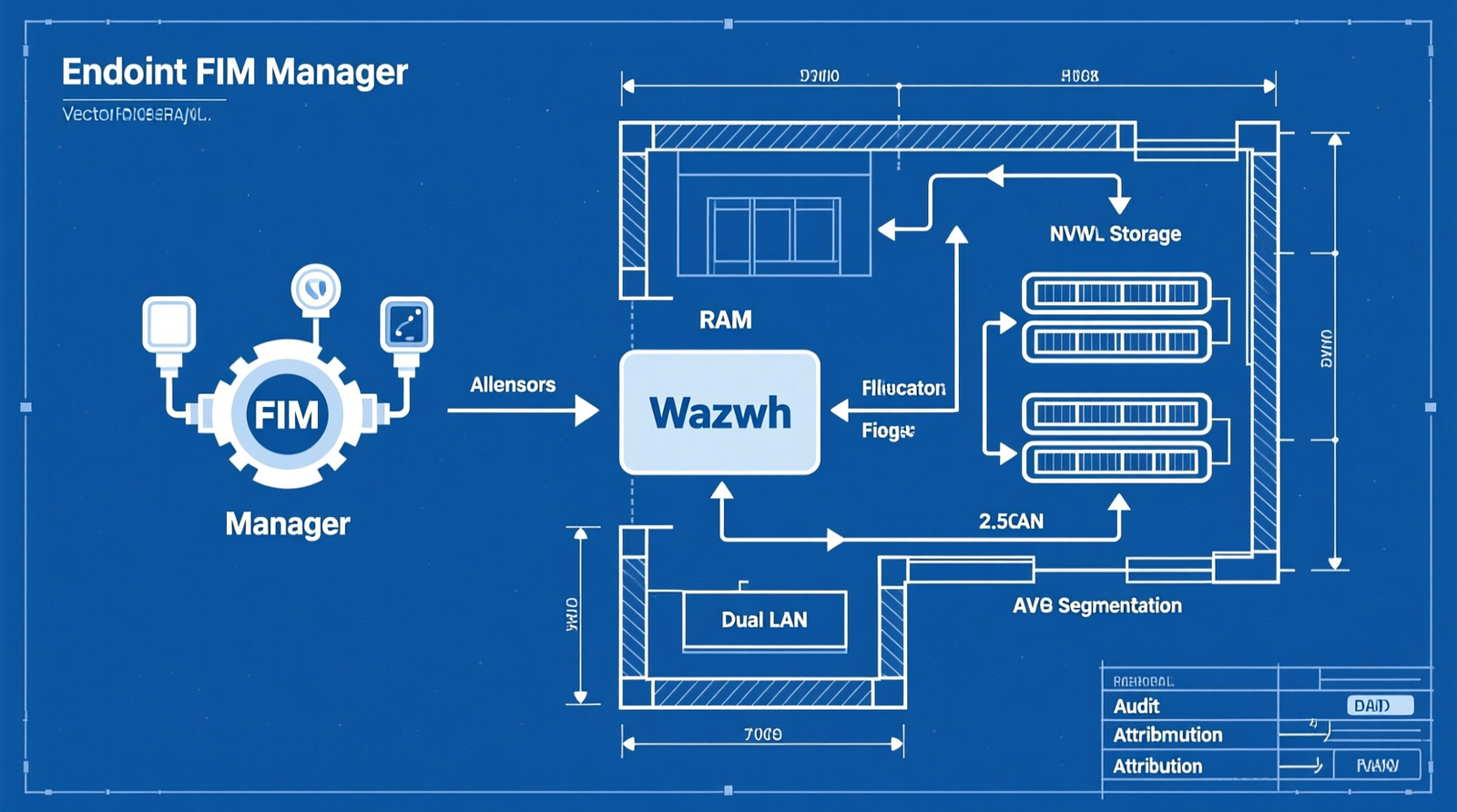
Wazuh SIEM FIM Architecture
Core Components
Wazuh agent: Endpoint FIM sensor, syscheck daemon. Wazuh manager: Analysis engine. Default ports are 1514 UDP/TCP for agent communication, 1515 TCP for enrollment, and 55000 for the API. Wazuh indexer: OpenSearch, port 9200. Wazuh dashboard: OpenSearch Dashboards, port 443.
Syslog Ingestion from Perimeter
FortiGate 60F/40F: Export syslog via UDP/TCP 514 or TLS-encrypted 6514 to the Wazuh manager. Netgate 1100/pfSense Plus: Forward logs to the Wazuh manager, but document the FIPS scope limitation in your System Security Plan.
FIM Configuration (ossec.conf / syscheck)
Hash and Scan Parameters
Hash algorithms: MD5, SHA1, SHA256. Default scan frequency: 43,200 seconds (12 hours). Real-time monitoring: inotify on Linux, SACL on Windows. Whodata attribution: Linux auditd or Windows audit policies. Text config delta tracking: report_changes=”yes”. The 43,200-second baseline scan gives you a full sweep twice a day, while real-time monitoring catches changes as they happen. Whodata is what turns a hash alert into an audit-ready record.
Recommended Monitored Paths
Linux: /etc, /usr/bin, /usr/sbin, /var/log, /boot, /opt/cui-app/config. Windows: C:\Windows\System32, C:\Windows\SysWOW64, registry hives, C:\Program Files.
Typical Ignore Rules
/var/log/wazuh, /tmp, *.log.*, Page/swap files, Antivirus quarantine folders. These ignore rules stop false-positive storms from temp files, cache directories, and log rotation. Without them, alert fatigue will hide the real incidents.
Check out TECH Collection Amazon Products
Log Retention and OpenSearch Index Lifecycle Management
Use hot → warm → cold/delete retention policies. Store indices on an NVMe-backed indexer. Uncurated Wazuh indices will exhaust disk space and crash the cluster. Plan retention before you deploy, not after the first disk-full event.
Proxmox VE / OpenZFS Memory Model
| Virtual Machine | Allocation |
|---|---|
| Wazuh VM | 8 vCPU / 32 GB RAM / 1 TB NVMe |
| TrueNAS/OpenZFS VM | 4 vCPU / 32 GB RAM / 4 TB NVMe |
ARC max ≤ Total RAM – (VM1 + VM2 + Host Overhead). This formula is the difference between a stable homelab and a Proxmox host that pages itself to death. Size your ARC so the hypervisor and VMs never starve.
Dual 2.5G LAN Segmentation
The GEEKOM A9 Max dual 2.5G RJ45 ports let you isolate control-plane and API traffic from untrusted log-ingestion traffic. This mirrors enterprise network architecture and satisfies segmentation expectations that single-NIC hosts cannot.
Forum-Validated Pain Point Mitigations
Wazuh FIM False-Positive Storms: Add ignore rules for temp, cache, and log-rotation directories. Alert fatigue is not a personality trait; it is a configuration failure. Indexer Out-of-Memory Failures: The practical minimum is 16 GB RAM. For more than 50 endpoints with FIM enabled, 32 GB RAM is preferred. pfSense FIPS Validation Gap: This is repeatedly flagged by CMMC auditors. Verify the CMVP validated-modules list before procurement. If you already own the gear, architect around it with endpoint-level encryption. FortiGate Syslog Format Drift: Between firmware versions, default Wazuh decoders break. Maintain custom decoder and regex updates as part of your change process. Single-NIC SIEM Hosts: A single network interface cannot isolate the management plane from untrusted log-ingestion traffic. It violates network-segmentation expectations. Use the dual 2.5G LAN on the GEEKOM A9 Max. Agent Disconnection Behind NAT: Default keepalive and queue settings cause disconnects. Tune the client buffer and enrollment port configuration. Audit Demand for Whodata Attribution: Assessors reject FIM reports that only show hash deltas without user or process context. Enable whodata. HDD-Based Hosts: HDDs cause OpenSearch indexer timeouts and corrupted shards. SSD or NVMe is mandatory. Lack of NIST 800-171-Mapped Dashboards: Default Wazuh compliance views target PCI DSS, GDPR, and NIST 800-53. Build custom rules and dashboards for NIST 800-171.
NIST / CMMC Control Mapping
SC.L1-3.13.1: Continuous monitoring and audit of communications/system events. SC.L2-3.13.11: FIPS-validated cryptography for cryptographic boundary devices. 3.3.x (Audit and Accountability): Timestamped, attributable audit logs. 3.4.x (Configuration Management): Detect unauthorized configuration changes. 3.14.x (System and Information Integrity): Detect and protect against malicious code/file tampering.
Field Verdict & Operational ROI — Why This Stack Pays for Itself
Audit-Ready Evidence for CMMC/NIST Assessors
This build produces timestamped, hashed, user-attributed file integrity records. It correlates firewall, endpoint, and application logs. It maintains continuous monitoring without dropped alerts. That is what an assessor wants to see.
Total Cost of Ownership vs. Audit Failure Cost
Right-sized hardware prevents syscheck queue backpressure and OpenSearch shard corruption. Avoiding one CMMC audit finding, contract loss, or remediation cycle pays for the entire stack several times over.
Recommended Procurement Stack
Perimeter: Fortinet FortiGate 60F or Fortinet FortiGate 40F with FIPS-SEAL-RED. SIEM host: GEEKOM A9 Max with dual 2.5G LAN and NVMe storage. Budget perimeter (with FIPS bypass architecture): Netgate 1100 (pfSense Plus). Monitoring platform: Wazuh with custom NIST 800-171 dashboards and whodata attribution.
Community Reference & Authority Resources:
Conclusion
A Wazuh SIEM file integrity monitoring setup for NIST 800-171 SC.L1-3.13.1 is not just a software configuration. It is a hardware, network, and evidence architecture. You need a FIPS-validated perimeter, a RAM- and NVMe-backed SIEM host, real-time FIM with whodata attribution, and OpenSearch lifecycle management that does not silently fill your disks. The Fortinet FortiGate 60F or Fortinet FortiGate 40F with FIPS-SEAL-RED gives you a defensible cryptographic boundary. The GEEKOM A9 Max gives you the cores, memory, dual 2.5G LAN, and NVMe storage to run Wazuh and Proxmox without the shard corruption and queue drops that kill audits. The Netgate 1100 (pfSense Plus) remains a viable budget perimeter only if you consciously remove it from the cryptographic scope. Build it this way, and when the assessor asks how you monitor, audit, and control communications, you will have the logs, the hashes, the user attribution, and the hardware validation to answer with confidence.
🔍 Explore More: See all tech guides and tutorials for wazuh siem file integrity monitoring setup for nist 800-171 sc.l1-3.13.1.
Check out TECH Collection Amazon Products